
I go through seasons with my reading, a time where I get caught up in a topic or a genre and just read (and, to my wife’s dismay, buy) all I can get my hands on. A particularly enjoyable season was dystopian novels.
There are a lot of different ways you can break the future. I started with the classic political dystopian, then moved to apocalypse dystopia, technological dystopia, and natural disaster dystopia. I tend to fall into the themes of the books, spending time learning about survival after reading the apocalyptic books, or researching climate change and politics. The goal of the genre is to inspire introspection and change, and a quality dystopian novel will definitely give you reason to pause.
You may notice the absence of George Orwell’s 1984, this was done on purpose. While I enjoyed reading the novel, I feel that the book has been adopted by political extremists, and the constant references to any political decision that is disagreeable to them is met by the call to “read 1984, because that is what is happening to us now!” The overall premise and messages of the book have been abused and beaten almost to death, so I want to give Winston and Julia a break this go-round.
My list of dystopian novels to read (instead of 1984) are, as follows:
As an Amazon Affiliate, I receive a small commission on any purchase made through the links below.
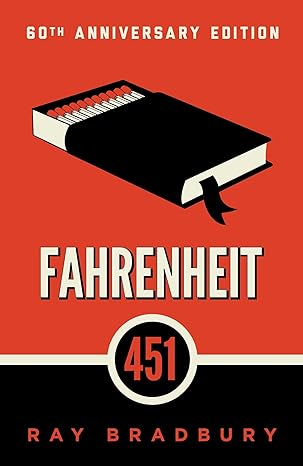
by Ray Bradbury
Guy has a job as a fireman, but in the world of fire-proof everything, that job is very different. Instead of putting out fires, Guy’s job is to burn books. When his curiosity makes him wonder why books are so bad, he steals one to read it and find out for himself.
This dystopia explores what would happen if we vilified reading and learning, relying on the powers that be for all of our information (read: censorship, book-banning). The resistance is made up of one of the most beautiful literary ideas I have seen – people becoming the books themselves.
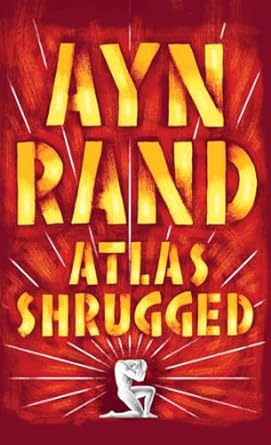
by Ayn Rand
When railroad and steel magnates are limited on what they are allowed to contribute to society, they push back by trying to improve their industries anyway. They team up to help their industries progress, but are blocked by government mandates at every turn. Just as it is becoming too much for them, they learn about a colony of brilliant minds who have chosen to fall off the map instead of contributing to the broken system.
This monster of a book is often seen as a champion for capitalism, but if you really dig into it, you will find something very different underneath (look at the way the hidden community runs). Exploring a whole slew of different topics, such as capitalism, socialism, government overreach, fairness, and free will, this book will leave you asking yourself one very important question: Who is John Galt?
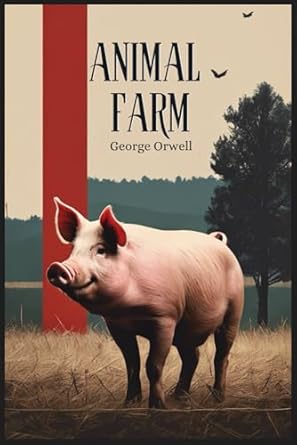
by George Orwell
Even taking 1984 out of the running, George Orwell still makes an appearance on the list. When the farm animals stage a revolution and evict the farmer, they are optimistic about working together for the benefit of each animal. The pigs become the de facto leaders, they set up rules and expectations for the animals, writing them on the side of a barn. When some animals start to feel used and overworked, they go to confront the pigs, only to find a new rule written: All animals are created equal, but some are more equal than others.
Welcome to the French Revolution, but with animals. The animals know they want to be rid of the farmer, but haven’t figured out what to do with the hole his absence creates. It is a great example of what happens when the revolution is staged before there is any idea of how it will be replaced. In the absence of a plan, the old regime will paint on a new face and resume their reign.
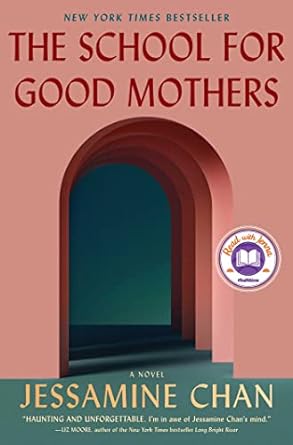
by Jessamine Chan
Frida is a loving mother, but when the way she parents her child doesn’t match the societal standard, the child is taken from her and she is sent to a reformatory school. the kind of transgressions that will land you in this school are myriad- things like looking at your phone while with your child, letting them get hurt while playing at the park, or letting them walk anywhere alone. In the school, she is taught how to properly obsess dote on her child and become the perfect parent.
This book explores what happens when we project our standards on other people, the justice system, and the belief that there is one correct way to do anything. This book can be intense at times, as it should be when the protagonist is a mother who has been wrongfully separated from her children and is doing whatever she can to get back to them.
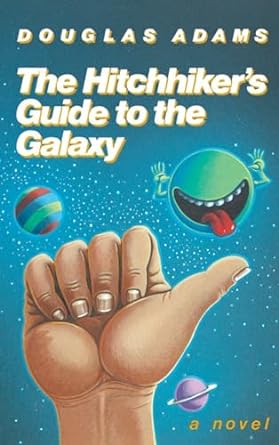
by Douglas Adams
Arthur Dent’s home is being bulldozed to create a superhighway on a cosmic scale. Not just his house, but his entire planet, has unknowingly been called upon to make a noble sacrifice in the name of modern convenience. Luckily, his friend Ford Prefect happens to be an alien who is an expert at intergalactic hitchhiking, and is able to get him off-planet before it is destroyed. Once in space, there is only one question left: Now what?
This book is the happiest dystopia, full of humor, both the in-your-face and the subtle varieties. The themes explored include displacement, equality, and the callousness of destruction in the name of progress. You’ll forget it was dystopian in the first place.
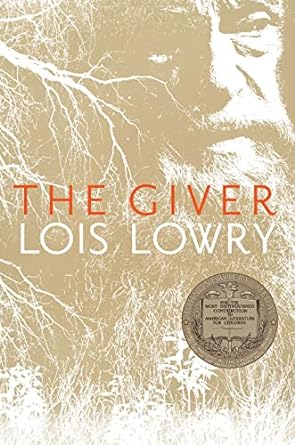
by Lois Lowry
In an effort to remove all pain and sadness from the world, the community has turned itself into an episode of Leave it to Beaver (does anyone still get that reference?), creating a perfect world. When Jonas starts to peel back some of the layers to this perfect facade, however, he finds the disturbing lengths that the leaders will go to keep up appearances. He is chosen by the memory-keeper to be his successor, and becomes the receptacle for all the memories that could cause any emotion, things like war, poverty, and even sledding. Is he willing to go do what it takes to keep the status quo, even when the lives of people he loves are at stake?
Exploring the roles of opposition, this book points out the role that sadness and misery play in our overall well-being, and, on a deeper level, the atrocities that would have to be committed in order to create a “perfect” society. Is it worth it to go through hard times to see the real beauty of life?
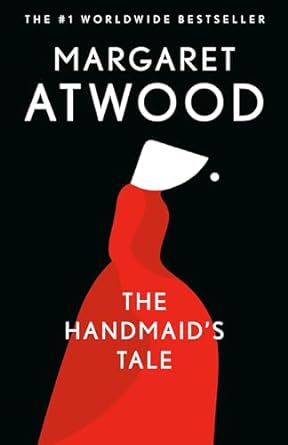
by Margaret Atwood
When a new political leader decides that he wants to bring back those good old fashioned values, women find themselves thrust back into a role as second-rate citizens. Offred is removed from her life, her husband, and her child, in order to produce children for a chosen government official. When her name is taken from her, she vows to hang onto the memories of her life before, and to find a way back there.
This book is a narrative on women’s rights, which, unfortunately, is still a fight we are in the middle of. Atwood has created a very driven and suspenseful narrative that warns of the danger in romanticizing the past and forgetting all the progress we have made. Offred’s life really begs the question: Were the ‘good ole days’ really that good in the first place?
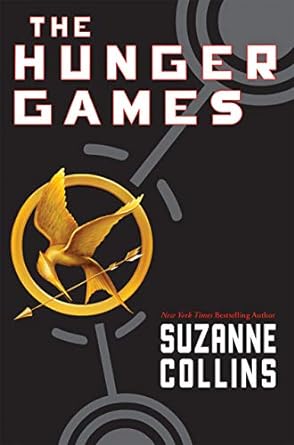
by Suzanne Collins
In the aftermath of civil uprisings, North America is split into different districts. In order to remind each district who is in charge, the Capital holds an annual event called the Hunger Games, where a boy and a girl are chosen from each district to participate in a highly anticipated and televised children’s death-match. Katniss finds herself as a lucky participant after taking her little sister’s spot, and has to outsmart 23 other participants in order to win the games, and keep her life. Can she remind people who the real enemy is?
This book explores unacknowledged caste systems, enforced poverty, government overreach, and the abuse of power. This series spawned a whole sub-genre of youth rebellions, and is a powerful story once you get past the upsetting love triangle.
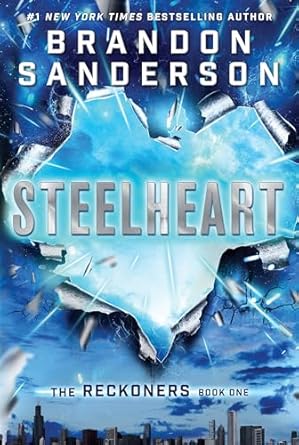
by Brandon Sanderson
When an unexplained event gives powers to ordinary people, Epics are born. The epics are initially seen as a gift to humanity, until they are each corrupted by their power and turn into tyrants. When the bad guys have all the powers, it falls to regular people to step up and stop them.
Exploring the effects of power on the human experience, Sanderson delivers a fast paced and exciting story for the underdogs. While Spiderman is known for saying “With great power comes great responsibility,” this story argues that the responsibility is there, whether or not the powers came with it.
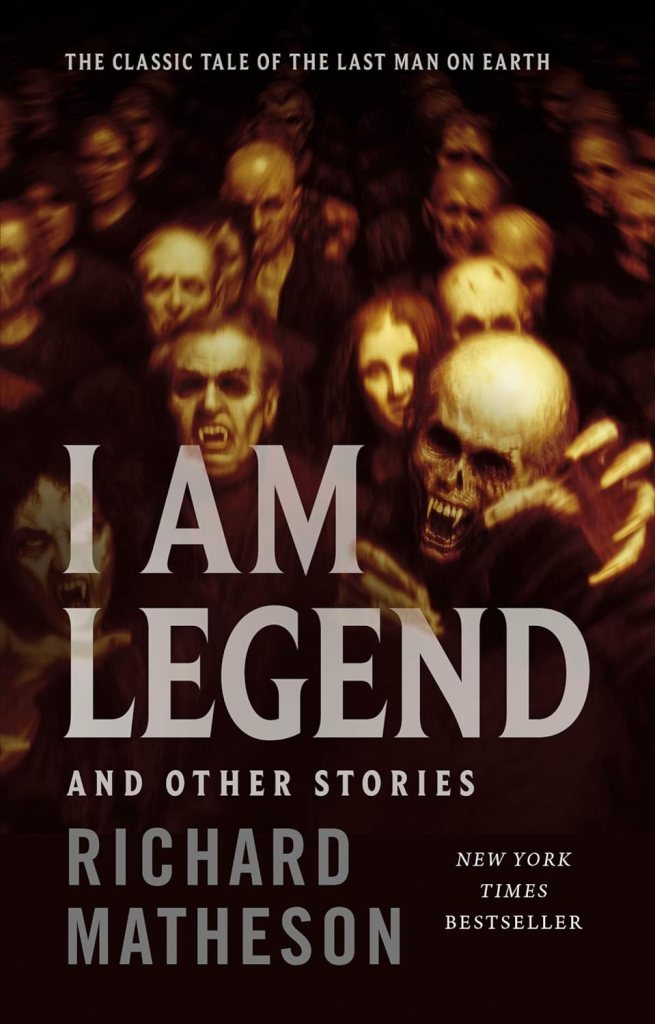
by Richard Matheson
The book that inspired the movie, but is still somehow not like the movie at all. Robert Neville is the last man on earth, the lone survivor of a vampire outbreak. He has set up all the protections to keep him alive, and the vampires less so. When he finds another survivor he brings her into his house and teams up with her. It doesn’t take long for him to realize that she may not be the best companion, and maybe he is better off on his own.
Matheson tells a masterful story with this book, one of my all-time favorites. It explores the lonely aspects of survival, choosing to accept reality and adapt to it, and what to do when the traditional world-views are challenged and found lacking. This dark, and oddly insightful, novel will leave you with some serious questions, and a lot of garlic-flavored thoughts to chew on.
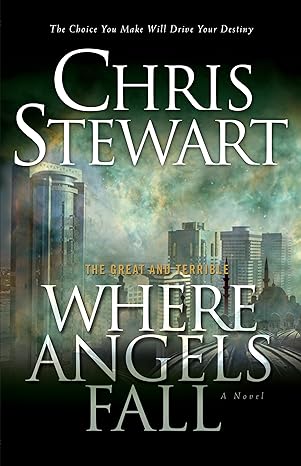
by Chris Stewart
An EMP knocks the USA into an age pre-technology. One family holds onto their faith, and their father’s military experience and understanding, to survive the last days. The family is dealing with enemies on all sides – domestic, international, and spiritual.
This book is part of a heavily religious apocalyptic series told through one family who are members of the Church of Jesus Christ of Latter-Day Saints. The family uses their faith to keep going in a world beyond repair. While the target audience is clearly members of his faith, Chris Stewart writes a compelling and fast-paced story that keeps you hooked from beginning to end.

by Orson Scott Card
When a race of aliens threatens the fate of the planet, children are chosen for their genius and military promise. These children are sent to space and trained in intergalactic warfare. Ender Wiggins is chosen, and quickly establishes himself as a leader at the school. He leads a rag-tag team to become the model squadron in the schools war-games. Back at home, Enders siblings launch an thought war, and the elder Wiggins boy, Peter, tries to establish himself as a world leader.
Enders Game has long been a mainstay in the science fiction genre, and for good reason. Themes through the book include different ways people are manipulated, like how controlling the information shared can shape the way people act, and the morality of creating a tortured leader to free the rest of the known world.
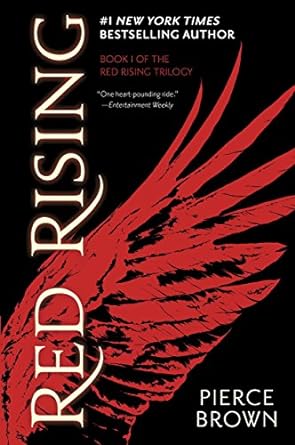
by Pierce Brown
My favorite way I have heard this series described is as “class wars in space”. Darrow is a member of the lowest class in a planetary caste system, a “red”, and he is content working his life away in the promise of a better future for his children. When a personal tragedy hits, he finds himself as the face of the revolution, but it is not a face he recognizes. To bring down the “golds”, he becomes a gold himself. The trick is not to lose himself in this new life.
The themes here are class wars, prejudice and racism, and how to infiltrate a society without losing yourself in the process. This series is well-developed and a very compelling read.
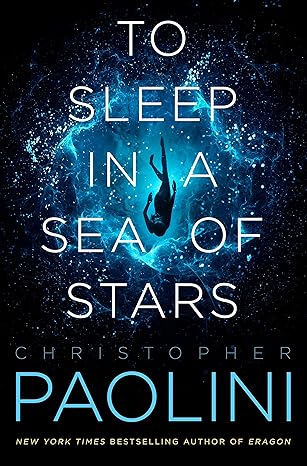
by Christopher Paolini
Kira is tasked with scouting out a planet that has not been colonized yet. When she arrives, she finds evidence of ancient aliens, and when she goes to investigate the relic, she finds that the aliens aren’t as confined to the past as she had hoped. From Kira’s first contact with the aliens to a war spanning the stars, Kira finds that her dream has turned nightmare, and the fate of the universe may rest on her shoulders.
You may recognize the author’s name from the Eragon series, but this series shows how he has matured as an author. Paolini moves in a whole new direction with his space series, the Fractalverse. The themes explored in To Sleep in a Sea of Stars involve colonization, the idea of ownership, and manifest destiny. When, or if, we eventually inhabit the stars, will we repeat the same mistakes we made on this world, or will we have finally learned from them?
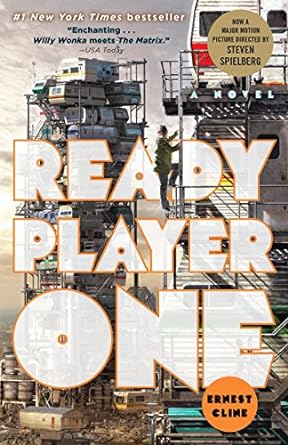
by Ernest Cline
The year is 2044, and VR has taken over. The majority of people have abandoned reality in pursuit of the dream life offered in a headset and a virtual world. When a famous game-maker dies, he leaves his inheritance behind to whoever can solve a puzzle he has created, and after years of trying, no one can figure it out. Wade hasn’t given up, though. But when he starts making new progress, things start heating up again. Along with a handful of other players, a race to win a fortune is taken over by major corporations. Can Wade and his friends win out against corporate greed?
Ready Player One overflows with fun 80s references, while exploring the concepts of addiction, greed, and privilege. Such a fun read.

 Releasing the Notes
Leave a comment