
I never really thought I was a big historical fiction reader until I joined a book club. Turns out, I was wrong. I tend to pick historical fiction when my turn to choose the book rolls around, and I feel like our best discussions happen when we are talking about a historical fiction book. They are a great way to mix the interests of a lot of the guys in our group – whether they prefer history and non-fiction books, or are drawn in by the story line and characters.
A well written historical fiction can be the best of both worlds.
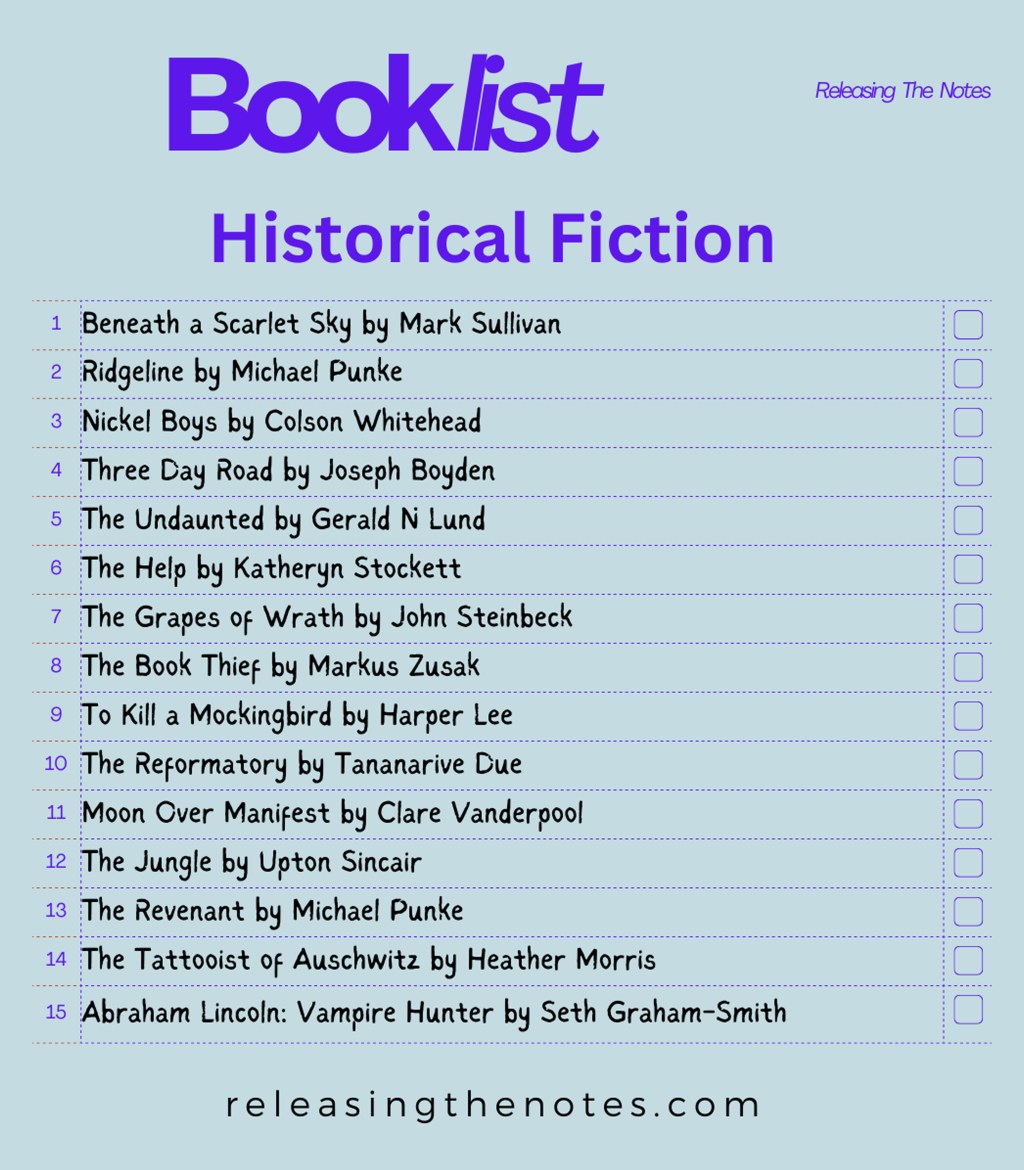
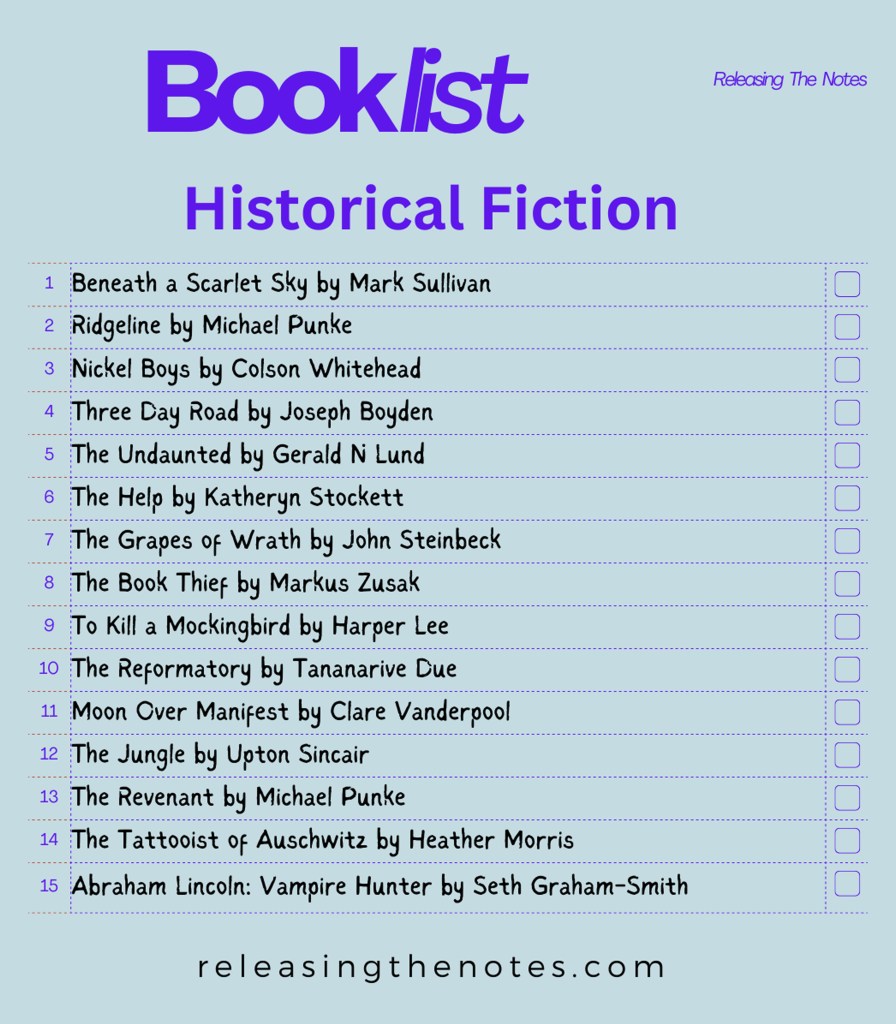
So, here is my top 15 list of the best historical fiction books:
As an Amazon Affiliate, I receive a small commission for any purchase you make through the links below.
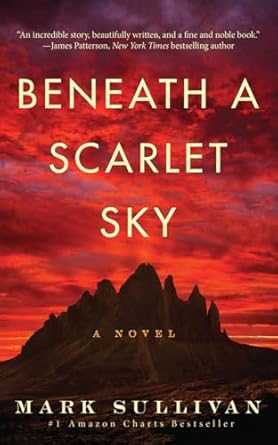
by Mark Sullivan
Pino Lella is a forgotten hero from World War II. He began as a leader for an underground railroad situation helping Jewish people escape Nazi occupied Italy, until being forced to enlist for the German army. He finds himself as the driver for a major player in the German army, and had to decide whether to ride out his time or to turn spy for the resistance.
This book really pulled me in from start to finish, with some of the most entertaining narrative I have read. Pino Lella really lived an amazing life, even if you take out the embellishments that Sullivan adds into the story line.
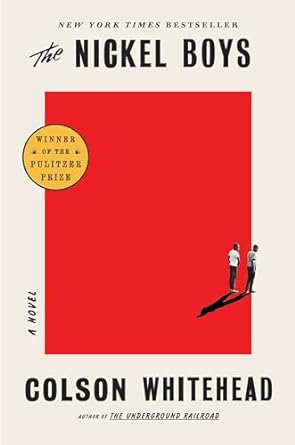
by Colson Whitehead
Elwood and Turner find themselves in a reformatory school for young boys in 1960s Florida. Elwood chooses to believe that he will be released once it comes to light that he was not guilty of the crime that landed him here, while Turner’s cynical nature tries to convince him that the only safety lies in schemes and deception.
This book explores the heavier topics of wrongful imprisonment, racism, and whether it is worth believing there is good left in the world. Whitehead is a seasoned professional when it comes to writing difficult narratives, and his experience shines through in this book.
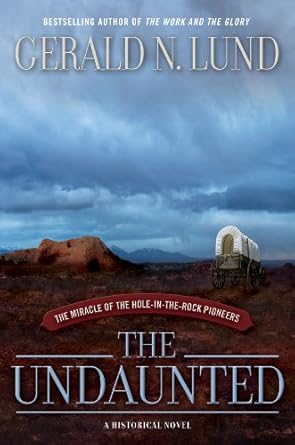
by Gerald N. Lund
There were a lot of pioneer books to choose from for this list, and I chose this one for a few selfish reasons. First off, David’s family has a history of coal mining, which I related to due to my family history. Second, one of the characters in the book is my wife’s ancestor, and the part he plays in the book is part of her family story that we tell often, and have even named our son after him. Third, Lund mentions my wife’s uncle, thanking him for leading an ATV tour of the places mentioned in the book. So my judgement on this choice is biased.
This book tells the story of the Mormon pioneers that settled the San Juan County in Utah. Their trek leads through a heavy series of obstacles, from conflicts with the Native Americans to terrain that was seemingly impossible to cross with horse and wagon. Gerald Lund is the biggest name in pioneer historical fiction, and he is at the top of his game with this beefy novel.
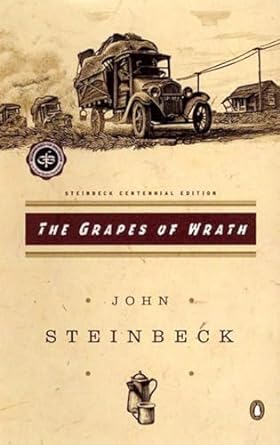
by John Steinbeck
The Joad family is being pushed out of Oklahoma by the dust bowl and the great depression. Tom Joad makes it home from jail just in time to help his family load up the old care head to California.
This cross-country story eventually lands them in Bakersfield, where each family member has to face the choice of whether to keep the family together, or to split up in order to survive.
In Steinbeck’s trademark gritty writing style, he explores the tragedies of migrant workers in depression-era agriculture, begging the question of who the American Dream is really meant for.
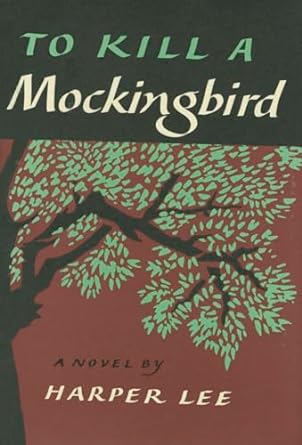
by Harper Lee
One of the best reading choices I ever made was to not read any of the assigned books in high school. I am positive that, had I read this in high school, I would not have appreciated it the way I did as an adult.
Scout and Jem are living a beautiful childhood with their neighbor friend Dill. Their single father, Atticus, is a lawyer, and spends what time he has with them teaching what he sees as the most important things in life. Then, a case comes across his desk that gives him the chance to practice what he teaches as he defends a black man in a segregated Alabama.
This book delivers one of my favorite lines in all of literature: “I wanted you to see what real courage is, instead of getting the idea that courage is a man with a gun in his hand. It’s when you know you’re licked before you begin, but you begin anyway and see it through no matter what.”

by Clare Vanderpool
Young Abilene is sent to spend the summer in the town where her father grew up, and she is disappointed to find the setting for her father’s stories to be such a boring town. That is, until one day when she finds a box of Momentos from her father’s boyhood, and starts searching for the stories behind them.
She finds herself searching for a spy, earning favors from the local diviner, Miss Sadie, and keeping all kinds of secrets, in order to discover exactly what part her father played in the rich story of Manifest. The stories she is learning of her father cross into her own stories as she discovers the shady past hiding behind Manifest’s surface.
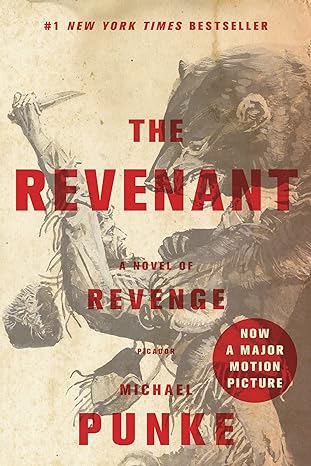
by Michael Punke
I debated putting a second Punke novel on the list, but this book deserves a spot just as much as DiCaprio deserved an Emmy for the movie adaptation.
The Revenant tells the story of Hugh Glass, a frontiersman traveling with the Rocky Mountain Fur Company. Glass was on a scouting mission when he startled a grizzly bear. The bear mauls Glass and leaves him near death. When the rest of the party finds him, the leader of the group leaves two men behind to attend him while he dies. The men instead decide to abandon him and rejoin the company, and Glass finds a reason to live – revenge.
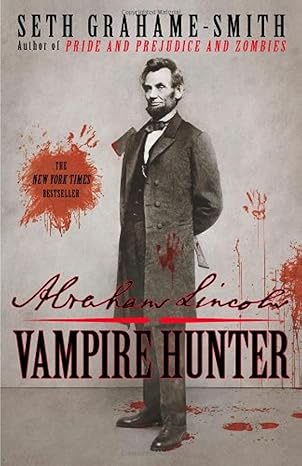
by Seth Graham-Smith
I hope you hate the fact that this book is on this list. I hope it ruffles your feathers so badly that you want to scream.
This barely counts as historical fiction, yet it has both elements. I first picked this book up because I was positive that it was going to be a train-wreck. It was so absurd, there was no way it would work.
It quickly became a guilty pleasure of mine. It takes parts of Abraham Lincoln’s life and irreverently fills the gaps with a war between the good and evil forces driving the dark underbelly of the vampire world. If you have never read this, please do. You may hate it, but you won’t regret it.
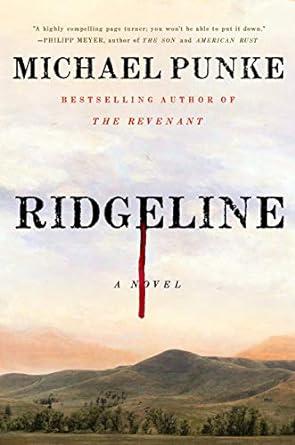
by Michael Punke
Telling the story of Crazy Horse, a Lakota warrior and legend, Punke does a great job of introducing a lot of different viewpoints. He tells the Lakota side of the story from the view of Crazy Horse, the US expansion side through Colonel Henry Carrington, and then he tells two different stories through Carrington’s wife – through the diary she knows history will see and the secret diary she keeps only for herself.
Punke is an astounding author, and this book does not disappoint. His storytelling is very driven, and he doesn’t shy away from the brutal natures of war.
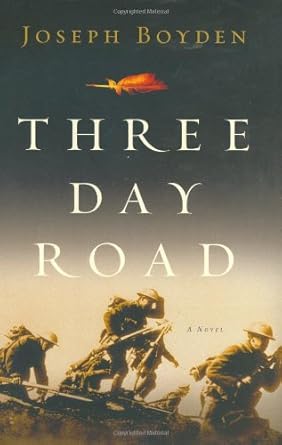
by Joseph Boyden
In this World War I era book, Xavier is a Cree boy who is fighting with the Canadian army. He joined up with his close friend, Elijah, and the two are inseparable as a team of snipers. That is, until war tears the boys in different directions. While Elijah gets caught up in the bloodlust of war, Xavier finds himself returning to his Cree roots and wanting to be finished fighting.
The book does a great job of introducing Cree culture into the story. Xavier’s family has been responsible of hunting Wendigo for generations, and he finds himself carrying on the tradition, even if he is reluctant to do so. This story can be brutal and heartrending at times.
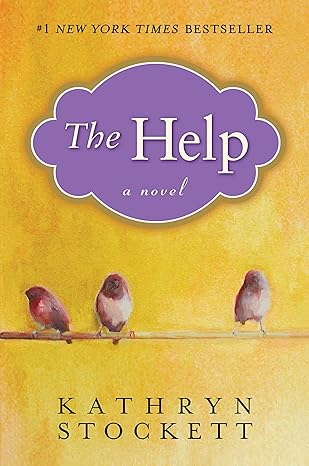
by Kathryn Stockett
Skeeter returns home after studying at college, and finds herself at odds with the racism that still prevails in her small town. She battles between wanting to support equal rights while still spending time with her old friends and family. While interviewing the black women who work as maids and nannies for the wealthy white women in town, she finds that some of her childhood friends are actually the villains of the story.
Aibileen and Minny are the ones helping Skeeter with her story, and they are torn about sharing stories with a white woman. Any story they tell has the ability to make their life even more difficult than it currently is. They worry about losing their jobs and not being able to find another once people know they are the ones who spoke.
That is until they find just the right stories to tell, stories that will ensure they are never caught.
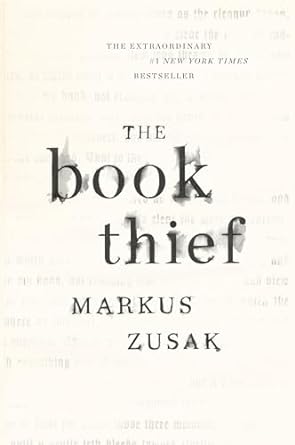
by Markus Zusak
Leisel is a young destitute girl in World War II Germany, and she spends her days stealing whatever she can get her hands on. When she finds a way into the library of a wealthy woman in town, she finds herself as the new book dealer in town, and learning to read herself. She finds herself in the basement where she shelters during the bomb raids, along with friends, her foster family, and the man they are hiding down there.
Zusak makes the choice of having death himself narrate Leisel’s story, and he does a beautiful and compelling job with it. This book fights between hope and tragedy, finally merging the two.
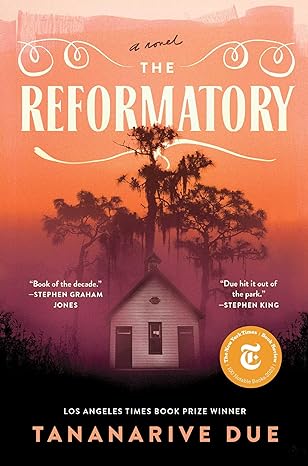
Tananarive Due
Robbie is sent to the Gracetown School for Boys, a reformatory school, after he kicks the son of a large landowner. The school is haunted, many of the haints hanging around from tragedies enacted upon them at the school.
After he is punished for acting out, Robbie finds that he has a knack for finding the different ghosts around the school, and the principal puts him to work capturing as many as he can. However, his new friends, Redbone and Blue, become upset that he is capturing the ghosts, and erasing the evidence of what has happened there.
Gracie, Robbie’s sister, is spending all of her time trying to get the judge to understand what really happened with her brother, and freeing her brother.
Due does a great job of making us question what is real and what is not, and if any of that is really important in the end.

by Upton Sinclair
Jurgis Rudkus is an immigrant in the meat-packing district of 1900s Chicago. While Jurgis came to America to make his fortune and live the American Dream, he finds himself falling behind financially as he works in the dangerous conditions of the meat packing plants.
Sinclair spent seven weeks working undercover in the meatpacking district in Chicago to research this book, and the horrifying conditions and stories of what was going on in the plants led to investigation, major policy changes, and the birth of the FDA. There are very heavy socialism tones throughout the book, but this book is compelling and important regardless of your political slant.
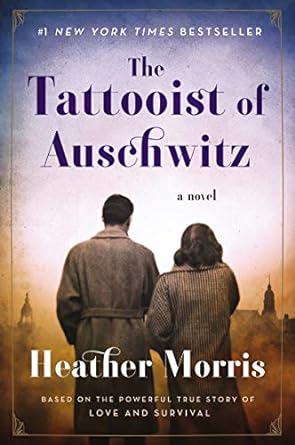
by Heather Morris
Lale Sokolov was a prisoner at Auschwitz-Birkenau internment camp during World War II Germany. When it is discovered that he is multilingual, guards give him the job of tattooing incoming prisoners. Because of the importance of his job, Lale survives for years, watching the unspeakable atrocities that took place within the walls of the camp.
However, Lale takes the time to also see the acts of humanity that take place as well. One day, while tattooing new prisoners, Lale meets Grita and becomes determined to find a way to save her. To do so means he must survive the camp himself.
 Releasing the Notes
Leave a comment