
Paul Nickel was a fun-loving 84-year-old man who happened who have suffered a stroke. He lived by himself in a small home in Lake Isabella, and we would go check in on him daily.
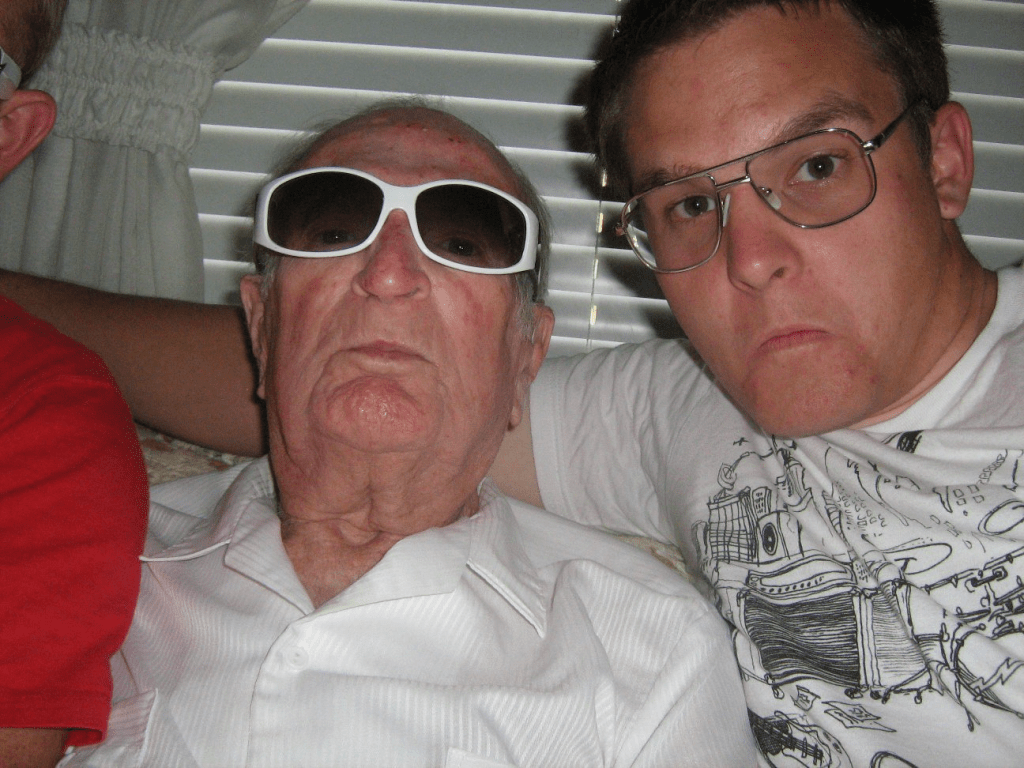
His stroke hadn’t affected him physically, he was in good shape for an octogenarian. We often took our lunch food to keep in his fridge, since that was around the time we would visit him. Each week, when we bought our groceries, we would stop by and drop things off at the Nickel-spot. One week I brought in a 12-pack of Mt Dew, and his eyes went large.
I had drunk Mt Dew around him before, I didn’t understand why he was reacting to it at all. For some reason, in his mind, he hadn’t seen the cans of Mt Dew I brought in as the soft drink, but the original Mountain Dew from prohibition days. After we cleared things up, he taught me an old bluegrass song that he remembered from his younger days.
The song became a fun point in our visits. We would sing it together, clapping along and howling out the chorus. We wrote new verses about each other. One time we poured ourselves some mugs of the soft drink and pretended we were indulging in the moonshine version from the song. Just a couple of good ole boys having a fun time being young.
What had started out as a misconception turned into a point of joy in our relationship.
This set of memories resurfaced in the past few weeks as I have thought about the perceptions I have of people, or the perceptions people make about me.
As school is ramping up to start again I have had a handful of people who were not aware that I “retired” start up a conversation with me about getting ready to go back. It is always interesting to watch as I let them know that I put in my resignation.
There are generally two ways this goes – the first is the general, “What are you going to do now?” When I tell them I am taking a stab at being a writer, there is usually a look of concern, since the current perception is that writers don’t make any money. There is often a perfunctory wishing of luck that isn’t truly meant, and talk about how they could never be a teacher themselves or how difficult teaching must be.
These interactions are fine. They aren’t the ones that I think about very often.
The second version of this conversation often comes from people who are familiar with the issues that went on at the school I worked at last year. At the end of the year we made national and international news for a protest that some students threw.
I recently heard of a mixed up idiom, one that took “make a mountain out of a molehill” and “a hill I will die on”, creating the phrase “a molehill I will die on”. That hybrid idiom is a perfect illustration of what happened. The majority of the students protesting were not dedicated to the issue, it was just an excuse to leave class, and with an understanding that some media sources were going to cover it, was their moment for their 15 seconds of fame.

In an unconscionable interview where an adult took advantage of a group of excited kids to spread misinformation, a slew of exaggerations and flat-out lies fueled a fire of misconceptions that disrupted the lives of all the kids in the school.
The frustrating part for me was that neither side of the issue was addressing the misconceptions.
The students and parents were quickly jumping to conclusions without talking to anyone at the school.
The school district was not communicating well with the parents.
It was an absolute dumpster fire.
The hype led to a series of bomb threats, which led to evacuations, which led to a constant police presence at my school.
And people think that is the reason I resigned. It is not, though it does illustrate, in an extreme way, some of the issues that led to my departure. I try to make sure and explain that I had already resigned by this point. I had made up my mind about leaving in January, notified my principal and district in February, all before the mess started in April.
I think back to the Good Ole Mt Dew days at the Nickel-spot as a perfect example of handling misconceptions. Paul asked me about what I had brought into his house. We had a discussion. When we realized there was confusion, we didn’t take time to assign blame and point fingers, instead we found a way to turn it into something fun that brought us together.
Because my school district and community didn’t have an open discussion there is still confusion and mistrust between the two entities.
It is amazing what can happen when we seek to understand each other, when we openly and transparently communicate with each other, and when we aren’t trying to find a molehill to die on.
While I was reminiscing about the Lake Isabella days I was listening to the only Merle Haggard song I know and reading about the area on the interwebs. While there, I found out some history I hadn’t known.
First of all, Lake Isabella is kind of an umbrella name for a group of towns surrounding the lake. There is Squirrel Valley, where I lived, and Mt Mesa, Bodfish, Kernville, Wofford Heights, Lake Isabella, and a handful of others. Each of the communities, like any community around a man-made lake, really leaned into the “dam” theme. Our favorite was the “Dam Korner” diner.
I learned of another small town that I hadn’t known about, mainly because it was under the lake.
Whiskey Flat was an old mining town down near the Kern River, a town that may very well have had a Saturday Night dance with an old bluegrass band singing the new hit “Good Ole Mountain Dew”. When Roosevelt took office and created the New Deal, a group of workers were hired to build a dam to stop flooding the agricultural areas of Bakersfield at the bottom of the canyon, and Whiskey Flat was laid to rest in an underwater tomb.
Whiskey Flat began to emerge from the depths of the lake due to the ongoing drought conditions throughout California. From what I found, there are a series of names the town was known by before it’s demise – Whiskey Flats became Quartzburg, and then became Kernville, now known as old Kernville, since the dam pushed the inhabitants to re-establish Kernville further up the river.
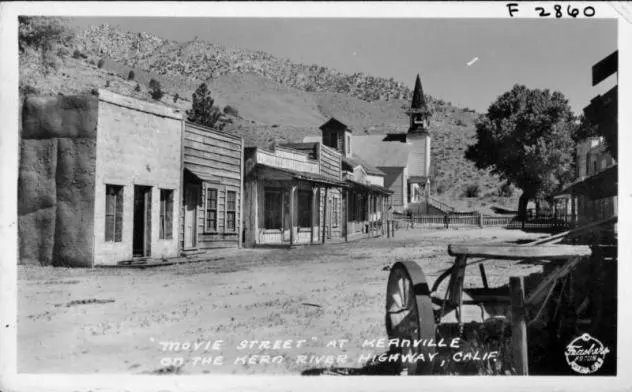
As part of the migration up the river, some members of the town even moved the buildings they owned up river with them, some of the cabins and old homes finding new purchase in Wofford Heights, while most made their way to the new site of Kernville.
After a brief appearance, the lake filled again, returning Whiskey Flat to the channels of history, leaving behind a memory of what it used to be.
As the school year starts and the fact that I am not returning with it really settles in, I am thinking about my years of teaching as if they were Old Kernville. I know this part of my life is being relegated to the past, but there are some parts of this place I will take with me.
The best part is that I get to choose which parts of myself I take with me as I establish myself up-river, and which parts I will leave to be swallowed up in its watery grave.
So, as this new school year starts, I will pour myself a glass of that Good Ole Mountain Dew, and toast to my new beginning feeling real.
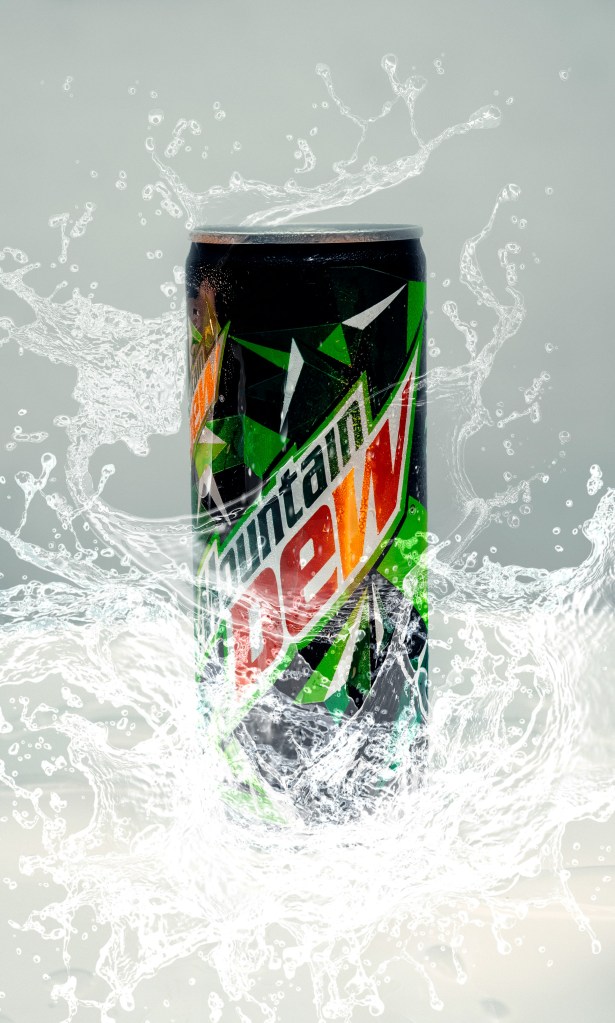
And I’ll pour some out for the parts of me I leave in the graveyard of public education.
 Releasing the Notes
Leave a comment