
Not every song written is a hit. It used to be that we didn’t hear a good amount of songs written by musicians, we only heard the ones that made it to the album.
And not every song on an album was a hit either, there were what I call filler songs, the songs that may not hit the sweet spot, but are still fun and palatable.
Every once in a while we hear about an unreleased song or album. Sometimes hackers have found them and released them to the public, sometimes they are leaked from the studio, but one way or another they make it out. The quality is usually questionable, because they were never really mastered by the production team, but collectors love to find them.
Joy Division recorded an album with RCA, but in the end the whole project got scrapped. It is pretty widely known, though, since many of the songs were bootlegged and the album has made its way out into the world. It is often referred to as their “officially unreleased album”, and it isn’t too tricky to find the album Warsaw on the internet.
Weezer also planned a space opera as their follow-up to the Blue Album, but the album was abandoned. A few of the songs made it onto their album Pinkerton, but we will never get the full vision of what Songs from the Black Hole was supposed to be. The first track that was going to be on the album was later released in a collection of home recordings that Rivers Cuomo did, though, and it has been compared a lot to Undone (the Sweater Song).
One alternative that artists used to use was the b-side.
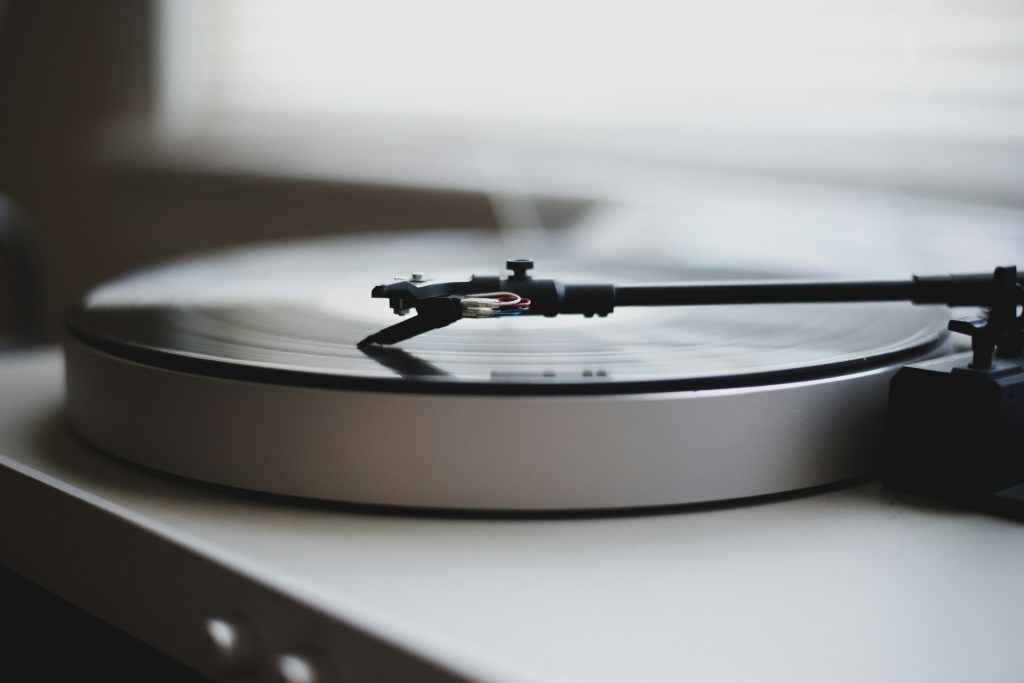
On old vinyl albums (maybe earlier, but vinyl is as far back as I go) there was an A-side and a B-side. The A-side is where the best tracks went, and the B-side was where the fillers were. When the music world moved to CDs and Digital, the B-side just became a name for songs that didn’t make the official cut, but were still released.
La Bamba by Ritchie Valens was a B-side, and is more widely known than the A-side on that album, Donna. Both are fun, but La Bamba’s fast and furious feel caught on quicker than the a-side ballad.
The unreleased song isn’t as common anymore. We have moved into an age where half-written song ideas are floated on social media to see if there is interest, and if they get enough views the artist writes the rest of the song. Then there is Spotify, which artists like to populate with as much of their work as they can to get more listens, so songs that don’t appear on any official album will still be published there.
In essence, we have shifted into an attention culture, where artists (and a lot of others) are putting out content so frequently that they don’t have the luxury of having unreleased material. In order to stay relevant they have to work at an unreal pace.
Some people work well with it, like Connor Price, who puts out fun hip hop songs and collaborations seemingly weekly.
Others just post and repost the same song snippets to keep it interesting while they work in the background on the real work.
Working at that pace is demanding, and will burn out a lot of good musicians. Luckily it is not the only way to be a successful musician, but it seems to be the one that is the most pursued right now.
This type of work is fueled by social media, particularly in Tiktok and Instagram. Which also means that it is fueled by people, like me, who scroll endlessly through the videos posted there.
I catch myself doom-scrolling a lot, looking for fun reels to share with friends. I have a few friends that I feel like I am in contact with pretty frequently, but haven’t actually communicated with in months. And I realize that is an issue.
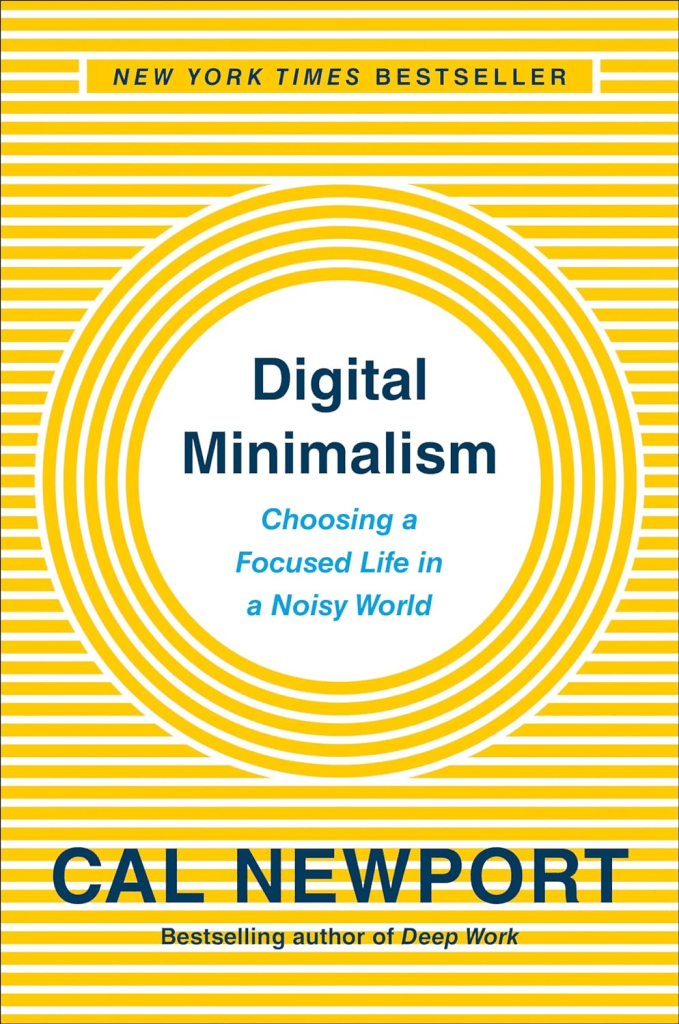
A few years back I read a really good book by Cal Newport called Digital Minimalism. It is a fantastic and interesting read. I may have stolen the phrase “attention economy” from this book earlier in this post, because it is so apt to explain what we have created with social media. Get the book here:
(As an Amazon Affiliate I make a small commission when you make a purchase from the Amazon links in this post.)
In this book he talks about the Social Media Paradox, which is exactly what I just talked about with how I communicate with some of my friends. I give myself the feeling that I am being social, but I am missing the actual connection aspect of that relationship.
Newport makes the point that we are being “social” in a way that does not bring the benefits of social interactions. So we feel connected with people from across the globe, but, as a society, we are also lonely. We see depression at rates that are only climbing each year, and many of us turn to our phones as a coping mechanism.
As a person with both depression and ADHD, I fall into my phone and struggle to get out. I caught myself just today while playing a crossword style game on my phone. I kept saying “just one more round” over and over until I had spent entirely too long playing. There is just something about the dopamine hit I get when I pass a level, or move to a different stage, or any of the other little hooks that they use to keep me playing.
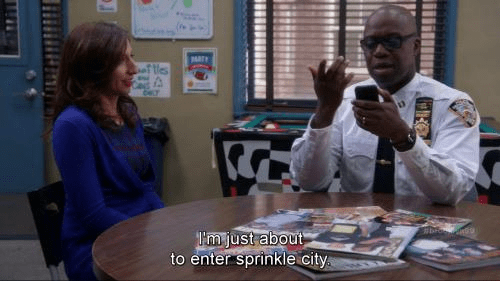
The game I was playing moves through different countries as the stages, and I was so close to moving into the Czech Republic that I just had to keep going a little bit further. When I finally pulled myself away from the game, I heard in my head the voice of Captain Holt (from Brooklyn Nine-Nine) when he gets addicted to Kwazy Kupcakes, saying, “I’m just about to enter Sprinkle City. They break the game down into these idiotic worlds to give you some false sense of progress.”
When Gina replies, “Then just stop playing.”
He responds with the very feeling that had kept me going.
“But … I’m just about to enter … Sprinkle City…”
(Watch the full sequence here)
The quick fix is just to delete the game (which I have now done). This doesn’t work too well for me, though, because I just replace it with different scrolling. I don’t spend less time on my phone, I just spend it differently.
The long term fix is to address my relationship with the attention economy. In Digital Minimalism, Newport suggests that you do a mobile detox (only use the phone when necessary, not to kill time) for a period of time, and use that time to evaluate your purposes of being on your phone. Do I need to spend time playing games? No. Is it ok to play games once in a while? Yes, with discipline and restraint.
I should use my phone time in enriching ways, like learning new skills, honing my writing, and other things like that. And I need to be more present with the social relationships that deliver on the connections I crave.
It is a good book, and a good challenge I am going to take.
The caveat is that I do need to be a little social to promote and grow this site, so if you see me posting about it, I’m not trying to be hypocritical. I’m just trying to be smart about what I am doing online.
While we are talking about Cal Newport, I am looking forward to finally reading his book Slow Productivity. I have had it on hold forever on Libby, but I decided to just grab it on audible instead.

The other issue with the attention economy and the need to be constantly visible, is that there are so many variables to fight. I had a recent post that was my best performing one yet, had more readers than usual, readers shared it with friends, and I had a good amount of people reach out to me to chat about part of the post. It was a high point in this project for me, and I was very happy about it.
Then, due to variables I am still trying to figure out, the next post was my lowest performing one yet.
I was going through the steps of trying to analyze it:
Was the writing bad? Was I too late posting about it on social media? Was it based on the timing?
It was hard to tell, because the issue wasn’t content, it was the lack of clicks.
Then to write again and try and bounce back from that was tricky. I got in my own head about what I was going to write, I made and scrapped a lot of posts, I stared at a blank page on my screen trying to think of what to write to regain that high.
And then I remembered, I left the workplace because I wanted a slower paced life. I wanted to live at my own pace, to enjoy the time I have here. I wasn’t enjoying all the overthinking and worrying and anxiety, so I needed to reevaluate my purpose here.
Once I remembered that I am only writing to connect, not to be the best or prove myself, the writing came easier, and I quit worrying that my writing wasn’t good enough.
Not everything I write is going to be a hit.
Some posts are just the b-sides.
But, for some people, those are the favorite songs.
 Releasing the Notes
Leave a comment