In a video I was watching the other day, a guy was talking about how “every once in a while, someone comes along and makes a cover so good that the song becomes their song.” The song I immediately thought about, and he also mentioned in the video, was “Hurt” by Johnny Cash.
It is such a beautiful cover, and when I think of that song I instinctively think of this version. The original was by Nine Inch Nails, and was quite different. While both are slow and gritty, the NIN version has a distinctively darker feel to it. When I hear Cash sing this song, I feel like a lot of the raw emotion, and knowing what little I know of his life, I can see why it was so personal for him.
Both of the songs are the same, but, simultaneously, extremely different and personal to both of the musicians.
There was a period in my twenties where I was obsessed with cover songs. I loved bands like Walk Off The Earth, Boyce Avenue, and Noah Guthrie. I’ve already shared a Walk Off The Earth video in a previous post, so have a listen to this one from Boyce Avenue-
I love that one, because if you have ever heard the original, you know it is almost a completely different song. We would listen to it at the pizza place I worked because we thought it was ridiculous and it was fun to mock in the kitchen. But I still enjoy a great cover song, so if you know a good one, please leave it in the comments so I can listen!
I enjoy cover songs because it is someone’s personal take on an already existing song. The song takes on an entirely new meaning, and an added depth of experience. While the words may be the same, the way they are said changes the experience of the song completely.
But no one wants to say that Johnny Cash and Nine Inch Nails are the same band. Or if they did, they would probably get punched right in their blaspheming mouth, and rightfully so.
Just because we have things in common with someone else does not mean we are the same as that person. When people make comparisons between us and others it can be a real gamble as to how that will land. In general, we put a lot of effort into being ourselves, and that comparison cheapens it.

The trouble is this – people generally mean the comparisons in positive ways.
I learned a hard lesson about this a handful of years ago. I was asked to have a hard conversation with an older man. I respected this man, but there were some issues between us that kept coming up and affecting other people in negative ways. I tried to approach the conversation with humility, but during the time I made a comparison between him and my father.
I meant the comparison as a positive thing. I was trying to voice a thought that had come to me about how much my father cared for other people, and how much he loved to share stories with people.
I can’t even count how often he would take me to someone’s house to help with a small task and then spend a ton of time at their door chatting about anything that came to mind.
This other gentleman didn’t know that about my dad. Actually, he didn’t know anything about my dad, besides knowing he had passed away. Looking back, it probably felt more like a comment about his age than anything else, but, to his credit, he left it alone and we moved on.
Shortly after that, without thinking about this interaction, I shared an unfortunate experience with my dad, and how his temper shaped a part of my relationship with my own mental health. It was meant as a quick story to set the pace for a discussion about being mindful of the words we use.
Now the only things this other gentleman knows about my dad are about his age and his temper. That is not a good comparison to receive. And he was understandably upset about it.
He didn’t know about how much I loved watching my dad talk about something that mattered to him, how he would get all giggly about his grandkids or how his eyes lit up with his gap-toothed smile any time they were around.
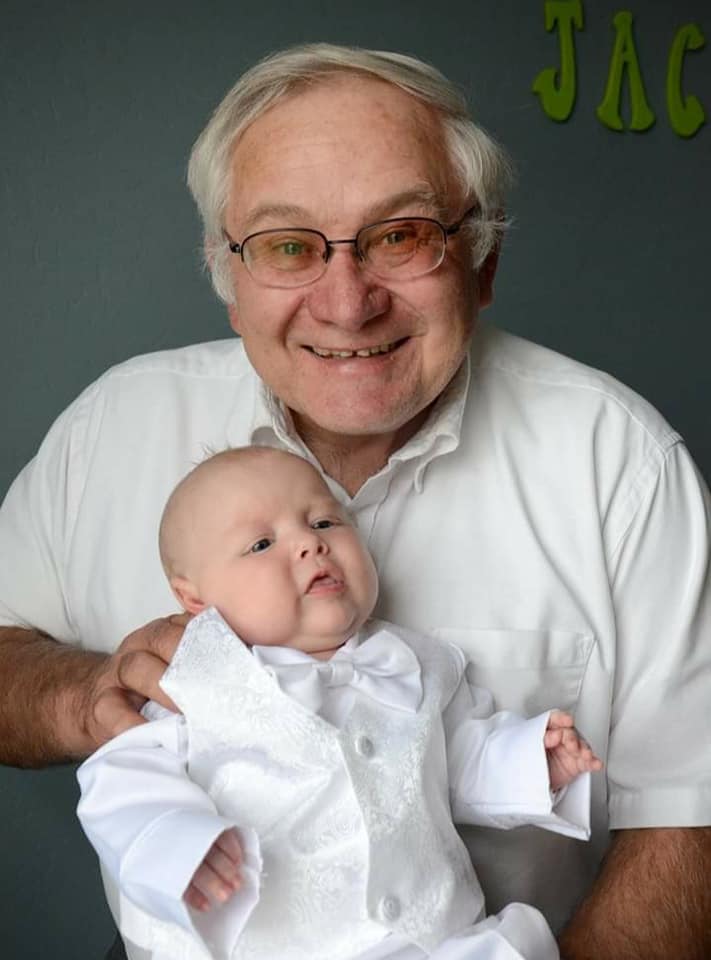
I have a daughter who has my dad’s smile. Sometimes watching her smile glow and seeing him there can bring me to tears. I have a hard time expressing how grateful I am to still have that little part of him.
People are very complex. Their personalities are deeply and richly nuanced. And when we compare one person to another, we are discounting all of the personal experiences and life-altering efforts both of them have put into becoming who they are. That comparison is not fair to either person.
I learned that when I was confronted about it by the gentleman we have been talking about. He invited me over to specifically let me know he was upset about that comparison, particularly in light of the trying experience I had shared. No amount of trying to explain myself really worked, and I knew I had damaged that relationship.
This can be really dangerous when we do it to our kids (like I just did…). The danger comes when our kids see it in a negative way.
I looked a lot like my dad growing up. I probably still do, to a point. There were a lot of times, coming from a small community, where people would see me and say, “You are the spitting image of your father.”
First off, why do we say spitting image? I don’t get that idiom.
Second off, I didn’t like that at all. I wanted to be my own person. And what part of my dad did they know? Was the comparison coming from a place of adoration? Was it underhanded? My dad was generally well liked, but his temper had caused him to ruffle some feathers and there were a few people who were not fans.
I hadn’t thought about this in years, until I was watching some Instagram videos the other day and came across this:
Like full on sobbing. It was confusing why it hit me so hard, but it had been a rough week.
The Gottmans are psychologists who have done over 50 years of research in family relationships. The best part is that they are super practical about their work. I have been reading and really enjoy their newest book Fight Right. They don’t say “don’t fight”, because that is a goal that will always be missed. Instead, they show how to fight productively so you can grow together.
If you want to check out Fight Right, you can grab it here:
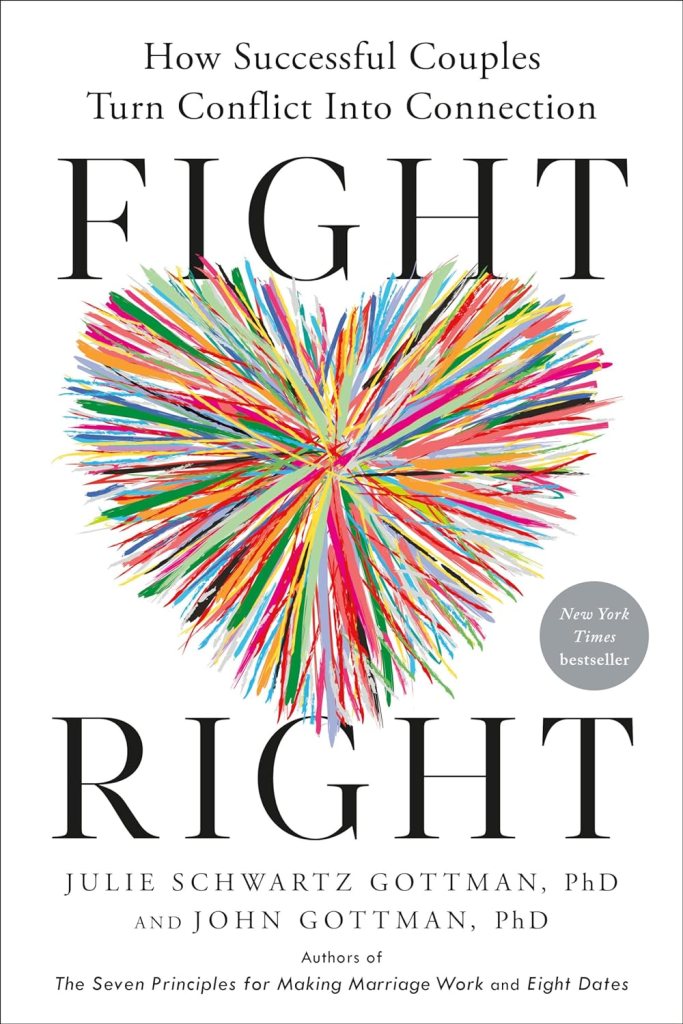
As an Amazon Affiliate, I do get a small commission if you decide to purchase this book from the link.
So, if I know that attributing parts of your kid to someone else can be harmful, why did I do it?
Here’s the thing – I don’t know that I have ever told her that. I have told her this, “Your smile sometimes reminds me of all the things I loved about my dad, and that makes me happy.”
I don’t know if that is the right way to do it, but I like it. I try to say it in a way that doesn’t take anything away from her. I didn’t say she has my dad’s smile, I said her smile reminds me of my dad. It is still her smile.
And I was specific that it was a happy memory, so she doesn’t have to ask what part of that person I remind her of.
Maybe I am reading too much into it, but I think it is important to make those distinctions.
Because no one made those distinctions to me. I was left to wonder what part of my dad I had. And the two most common things people said about my dad had to do with his giggle and his temper. I had already been told I had the “Hunt temper” a lot of times in my life, so I usually assumed it was that. But imagine if someone had said, “You remind me a lot of your dad, and I like that. It makes me think of his laugh.”
Instead, they left me to sort out what they could have possibly meant.
I have spent the majority of my life comparing myself to people around me. I am in recovery, and I am trying hard not to compare myself to anyone anymore. Maybe I have an experience that feels the same, and we can sing the same song about it. We can both sing the same words, but the paths leading us to this shared moment are incomparable.

They just led us both to this one beautiful intersection,
this moment in time when our sounds matched,
and we sang the same words
with different meanings,
and then we continued on our way.
 Releasing the Notes
Leave a comment